The butterfly effect

The butterfly effect and chaos theory

Chatster AI

The butterfly effect is a concept in chaos theory that states that small changes in one system can have large and unexpected effects on another system. It is named after the idea that the flapping of a butterfly’s wings in one part of the world could eventually cause a tornado in another part of the world. The butterfly effect suggests that even tiny actions or events can have far-reaching consequences that are impossible to predict or control. This concept has been applied in fields such as meteorology, economics, and psychology to understand how complex systems behave over time.

The butterfly effect is closely related to the idea of sensitivity to initial conditions. This means that small changes in the starting conditions of a system can lead to drastically different outcomes over time. In chaotic systems, such as weather patterns or stock markets, small differences in initial conditions can quickly amplify into larger and more unpredictable changes. 

The concept of the butterfly effect has also been popularized in popular culture, such as in movies like “The Butterfly Effect” and in literature. It is often used as a metaphor for the idea that even small actions can have significant consequences, and that we cannot always predict or control the outcomes of our actions.

Overall, the butterfly effect is a powerful concept that highlights the complex and interconnected nature of our world. It reminds us that everything we do has an impact, and that we need to be mindful of the ripple effects of our choices and decisions. Ct

ChatOn AI

There is no part of chaos theory that has been completely disproven. However, there are some criticisms and limitations of the theory. One criticism is that the theory is often difficult to apply in real-world situations because it relies on complex mathematical models and can be highly sensitive to initial conditions. Another limitation is that chaos theory is not a predictive theory, meaning it cannot accurately predict the future behavior of a system. Instead, it is more useful for understanding the behavior of complex systems and identifying patterns and trends. Despite these limitations, chaos theory has been applied successfully in many fields, including physics, biology, economics, and social sciences.

Characteristics of being human—add your owns

Characteristics of human beings 

As an AI language model, I cannot have a personal opinion, but here are some commonly known characteristics of human beings:

1. Self-awareness – Humans have the ability to be aware of their own existence, emotions, and thoughts.

2. Intelligence – Humans are intelligent and have the ability to learn, reason, and problem-solve.

3. Emotions – Humans experience a range of emotions, including joy, sadness, anger, and fear.

4. Language – Humans have the ability to communicate with each other through language, which includes spoken, written, and sign language.

5. Creativity – Humans are creative and have the ability to create art, music, literature, and other forms of expression.

6. Empathy – Humans have the ability to understand and share the feelings of others.

7. Social skills – Humans are social animals and have the ability to form relationships, cooperate, and work together.

8. Adaptability – Humans have the ability to adapt to changing environments and situations.

9. Morality – Humans have a sense of right and wrong and a capacity for ethical behavior.

10. Curiosity – Humans have a natural curiosity about the world around them and a desire to learn and explore.

11. Physical abilities – Humans have physical capabilities such as walking, running, jumping, and using their hands to manipulate objects.

12. Cultural diversity – Humans have created diverse cultures with unique beliefs, traditions, and practices.

13. Spirituality – Humans have a sense of spirituality, which includes beliefs in a higher power, afterlife, and purpose in life.

14. Imagination – Humans have the ability to imagine and create new ideas and possibilities.

15. Consciousness – Humans have consciousness, which includes being aware of the world around them and their own thoughts and feelings.

16. Sense of humor – Humans have a sense of humor and enjoy making each other laugh.

17. Capacity for love – Humans have the ability to love and form deep emotional connections with others.

18. Capacity for forgiveness – Humans have the ability to forgive and move on from past hurts.

19. Capacity for growth – Humans have the capacity to grow and change throughout their lives.

20. Adaptability – Humans have the ability to adapt to new situations and environments, making them a highly successful species.

21. Capacity for logic – Humans have the ability to use logical reasoning to solve problems and make decisions.

22. Memory – Humans have the ability to remember past experiences and events.

23. Longevity – Humans have a relatively long lifespan compared to other animals.

24. Tool use – Humans have the ability to create and use tools to accomplish tasks.

25. Critical thinking – Humans have the ability to think critically, analyze information, and evaluate arguments.

26. Empowerment of others – Humans have the capacity to empower others and help them achieve their goals.

27. Altruism – Humans have the ability to act selflessly for the benefit of others.

28. Sense of justice – Humans have a sense of justice and fairness, and strive to create a just society.

29. Capacity for innovation – Humans have the ability to innovate and create new technologies and ideas.

30. Sense of community – Humans have a sense of community and belonging, and often work together for the greater good.

31. Adaptation to different environments – Humans have the ability to adapt to different environments and climates, allowing them to thrive in various parts of the world.

32. Capacity for leadership – Humans have the ability to lead and inspire others, and to make decisions that impact the lives of many.

33. Capacity for self-reflection – Humans have the ability to reflect on their own thoughts and behaviors, and to make changes to improve themselves.

34. Capacity for empathy – Humans have the ability to understand and share the feelings of others, and to act with compassion.

35. Capacity for growth and development – Humans have the ability to grow and develop throughout their lives, both physically and mentally.

36. Sense of curiosity and wonder – Humans have a sense of curiosity and wonder about the world around them, which drives them to explore and learn.

37. Ability to express emotions – Humans have the ability to express a wide range of emotions, both verbally and non-verbally.

38. Capacity for self-expression – Humans have the ability to express themselves through art, music, writing, and other forms of creative expression.

39. Capacity for humor – Humans have the ability to appreciate and create humor, which can bring joy and laughter to themselves and others.

40. Capacity for compassion – Humans have the ability to feel and express compassion, which helps them to connect with others and form meaningful relationships.

Postc Script: my additions

41. Acheive wisdom thru problem solving 

42. From beginning to end of life to love and be loved

43. Visit the spiritual world.

44. Exist with the help of body senses

45. Have gut feelings

46. Believe in angels 

47. Influenced by concepts/ theories 

48. Admire others

49. Enjoy self pleasures

50. Have visions

51. Make assumptions

52. Dream

53. Personal hygiene

54. Care for children

55. Subject to diseases

56. Looking for self- esteem

57. Compete

58. Search for role models

59. Loyalty

60. Give up their life for others

61. Have romance ( sex)

62. Be Disgusted

63. Enjoy being a human brjng

64. Usually responds to ticklng

65. Fail

66. Attracted to fire

66. Contribution to nature by growing “stuff”

67. Contribute to evolution

67. Risk taking

68. Nostalgia.

69. Build and make things for enjoyment 

70. Proud of accomplishments of self and others.

7/. cry

72. Like  jokes

73. Like to be touched 

73. Like to be not touched

74. Gender differences

75. Enjoy music

76. Decorate their abode

77. Enjoy rising and setting of sun and moon

78. Like to fly.

78. Like not to fly

79. Occasional privacy.

80. Meditate.

81. Negotiate and compromise.

82. Grieve.

83. Remember

84. Day dream

85. Criticise, compliment 

86. Play

87. Hug

88. Appreciate 

89. Procrastinate 

80.believe symbols represents spiritual realm

81. Hope

82. Pets 

83. Patience

84. Sense of fairness

85. Predict

86. Judge

87. embarrassment.

88. Pray, wish,

89. Kill

90. Save

91. Nature

92. Fearless

93. Fearful

94. Athletic

95.
Theories of human nature

                     Theories of human nature 

As an AI language model, I don’t have my own beliefs or opinions. However, here are some common theories of human nature:

1. Rationalism: This theory suggests that human beings are fundamentally rational creatures who use reason and logic to make decisions.

2. Behaviorism: This theory posits that human behavior is shaped by environmental factors, such as rewards and punishments.

3. Evolutionary psychology: This theory explains human behavior in terms of evolutionary adaptations that have helped humans survive and reproduce over time.

4. Existentialism: This theory emphasizes individual freedom and responsibility, suggesting that humans are responsible for creating their own meaning and purpose in life.

5. Humanistic psychology: This theory focuses on the potential for personal growth and self-actualization, suggesting that humans have an innate desire to reach their full potential.

6. Freudian psychology: This theory emphasizes the role of the unconscious mind in shaping human behavior, suggesting that humans are driven by unconscious desires and conflicts.

7. Social constructivism: This theory suggests that human nature is shaped by cultural and social influences, rather than being inherent or natural.

8. Cognitive psychology: This theory suggests that human behavior is influenced by mental processes, such as perception, attention, memory, and reasoning.

9. Biological determinism: This theory argues that human behavior is largely determined by genetics and biology, rather than environmental factors or personal choice.

10. Cultural psychology: This theory emphasizes the role of culture in shaping human behavior, suggesting that different cultures have different ways of thinking and behaving.

11. Ecological psychology: This theory suggests that human behavior is influenced by the physical environment, such as the natural landscape, built environment, and social context.

12. Marxist theory: This theory focuses on the role of economic and social structures in shaping human behavior, suggesting that human nature is largely determined by class relations and economic forces.

Overall, there are many different theories of human nature, each with its own strengths and limitations. Some emphasize biological factors, while others focus on cultural or environmental influences. Ultimately, the complexity of human nature suggests that no single theory can fully capture the richness and diversity of human experience.

Therefore, it is important to approach the study of human nature from a multidisciplinary perspective, taking into account various factors that influence human behavior, such as biology, culture, psychology, sociology, and philosophy. By doing so, we can gain a more comprehensive understanding of what it means to be human and the factors that shape our thoughts, feelings, and behaviors.

Moreover, it is important to note that theories of human nature are not static or unchanging. As our knowledge and understanding of human behavior evolve, so do our theories and models of human nature. Therefore, it is important to continue to explore and refine our understanding of human nature through ongoing research and inquiry.

In conclusion, theories of human nature provide a framework for understanding and explaining human behavior. However, it is important to recognize that these theories are not absolute truths, but rather models that help us make sense of complex phenomena. By exploring and refining our understanding of human nature from a multidisciplinary perspective, we can gain a deeper appreciation for the complexity and diversity of human experience, and develop more nuanced and comprehensive models of human behavior. Ultimately, this can help us better understand ourselves and others, and promote greater compassion and empathy in our interactions with the world around us.

Chatster s explanation of wisdom

Wisdom. ( my input to Chatster-AI system)

Response from Chatster

Wisdom is the ability to discern and judge what is true, right, or lasting, and to apply knowledge, experience, understanding, and insight to practical matters. It involves having sound judgment and making wise decisions based on accumulated knowledge, intuition, and moral principles. Wisdom often comes with age and experience, but it can also be cultivated through learning, reflection, and self-awareness. It goes beyond mere intelligence and encompasses a deeper understanding of life and the world, enabling individuals to navigate challenges, find meaning, and lead fulfilling lives.

Wisdom is often associated with traits such as good judgment, perspective, and the ability to make thoughtful choices. It involves understanding the complexities and nuances of various situations and being able to see the bigger picture. Wisdom allows individuals to consider different perspectives and weigh the potential outcomes before making decisions.

One important aspect of wisdom is the ability to learn from past experiences and apply that knowledge to present circumstances. It involves reflecting on one’s own actions and their consequences, as well as observing and learning from the experiences of others. Wisdom helps individuals avoid repeating past mistakes and make better choices in the future.

Wisdom is not limited to academic or intellectual knowledge. It encompasses emotional intelligence and the ability to understand and manage one’s own emotions and the emotions of others. It involves empathy, compassion, and the capacity to connect with others on a deeper level. Wisdom allows individuals to navigate relationships and social dynamics with grace and understanding.

In many cultures and philosophical traditions, wisdom is considered a virtue to be sought after and cultivated. It is seen as a lifelong pursuit, requiring continuous learning, self-reflection, and personal growth. Wise individuals are often sought out for their advice and guidance, as they possess a deep understanding of human nature and the complexities of life.

Overall, wisdom is a multifaceted concept that combines knowledge, experience, insight, and good judgment. It involves the ability to make wise decisions, understand the deeper meanings of life, and live in harmony with oneself and others.

Wisdom is not static; it is a dynamic and evolving quality. It is not solely acquired through age or education, but rather through a willingness to learn, adapt, and grow. It requires an open mind, curiosity, and a willingness to question assumptions and beliefs.

Wisdom is not synonymous with intelligence or expertise in a particular field. It goes beyond the accumulation of facts and information. It is about the ability to use knowledge effectively and wisely. Wisdom involves synthesizing information, drawing connections, and applying insights to real-world situations.

One important aspect of wisdom is the ability to navigate uncertainty and ambiguity. It is about embracing the unknown and being comfortable with ambiguity. Wise individuals understand that life is not always predictable or straightforward, and they are able to adapt and make sound decisions even in complex and uncertain circumstances.

Wisdom is also closely linked to values and ethics. It involves making choices that align with one’s moral principles and contribute to the greater good. Wise individuals consider the long-term consequences of their actions and strive to act in a way that is fair, just, and ethical.

In summary, wisdom is the ability to discern and judge what is true and meaningful, to apply knowledge and experience to practical situations, and to make wise decisions that align with one’s values and contribute to personal and collective well-being. It is a dynamic and evolving quality that requires continuous learning, reflection, and personal growth.

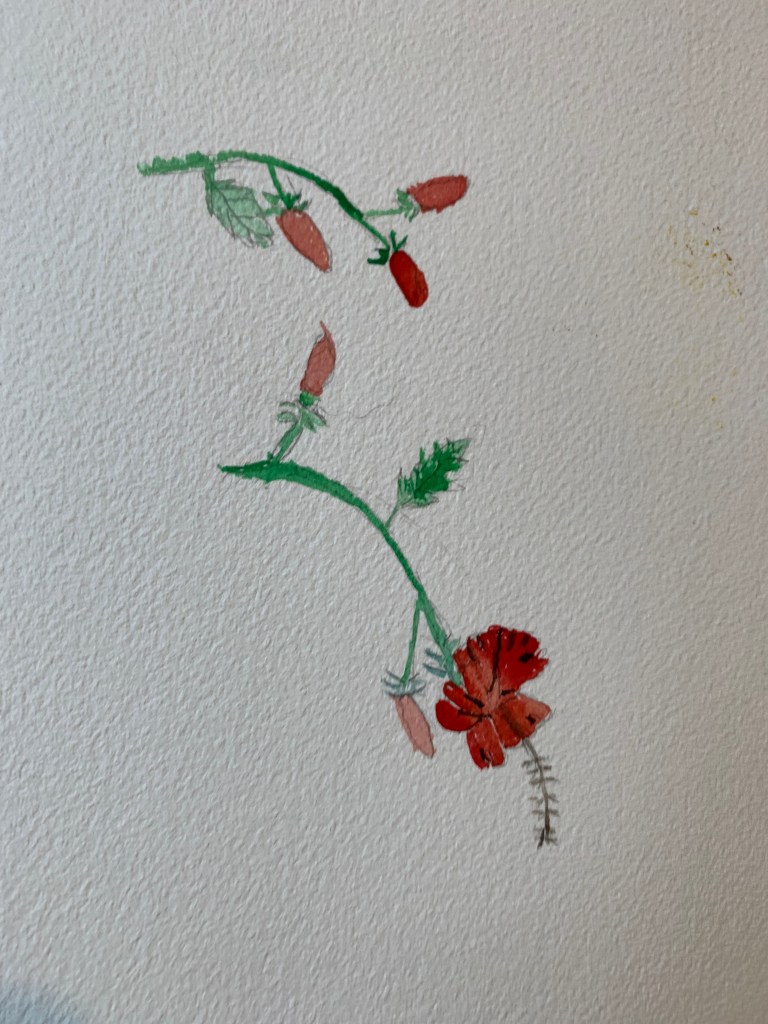
Symbolism of the Hibiscus flower

The hibiscus flower holds various symbolic meanings across different cultures and contexts. Some common symbolisms associated with the hibiscus flower include:

1. Beauty and Delicacy: The hibiscus flower is often seen as a symbol of beauty, delicacy, and grace. Its vibrant colors and intricate petals are admired for their visual appeal.

2. Love and Passion: In many cultures, the hibiscus flower is associated with love and passion. It is often used as a symbol of romance and deep affection.

3. Femininity and Sensuality: The hibiscus flower is sometimes seen as a representation of femininity and sensuality. Its soft, elegant appearance is often associated with qualities traditionally associated with women.

4. Transience and Life’s Fragility: The hibiscus flower has a relatively short lifespan, with each bloom lasting only a day or two. As a result, it can symbolize the transient nature of life and the importance of appreciating the present moment.

5. Unity and Harmony: In some cultures, the hibiscus flower symbolizes unity and harmony. It is often used to represent the coming together of different elements or people, emphasizing the importance of cooperation and balance.

6. Transformation and Rebirth: As the hibiscus flower blooms and withers in a short span, it can also symbolize transformation and rebirth. Its life cycle represents the constant cycle of growth, change, and renewal.

7. Good Luck and Prosperity: In certain cultures, the hibiscus flower is believed to bring good luck and prosperity. It is often used in rituals and celebrations to attract positive energy and abundance.

It is important to note that the symbolic meanings of the hibiscus flower can vary depending on cultural and personal interpretations.

8. Spirituality and Meditation: In some spiritual practices, the hibiscus flower is associated with meditation and connecting with higher consciousness. Its beauty and calming effect are believed to aid in quieting the mind and achieving a state of inner peace.

9. Protection and Healing: The hibiscus flower is also believed to possess protective and healing properties. It is often used in traditional medicine and herbal remedies to treat various ailments and promote well-being.

10. Celebration and Festivity: The hibiscus flower is frequently used in celebrations and festivals around the world. Its vibrant colors and striking appearance make it a popular choice for decorations, symbolizing joy, happiness, and the festive spirit.

11. Resilience and Endurance: The hibiscus flower is known for its ability to thrive in diverse climates and conditions. It can symbolize resilience, endurance, and the ability to overcome challenges. The flower’s ability to bloom even in adverse circumstances serves as a reminder of strength and perseverance.

12. Tropical and Exotic Beauty: The hibiscus flower is often associated with tropical regions and exotic landscapes. It represents the allure and beauty of these lush environments, evoking a sense of adventure and escape.

It is worth noting that the specific symbolic meanings of the hibiscus flower can differ across cultures and individual interpretations. The flower’s symbolism may also vary depending on its color, with different hues carrying their own significance.

Certainly! Here are a few more symbolic meanings associated with the hibiscus flower:

13. Youthfulness and Vitality: The hibiscus flower is often seen as a symbol of youthfulness and vitality. Its bright and lively colors are reminiscent of the energy and vibrancy of youth.

14. Purity and Innocence: The hibiscus flower can represent purity and innocence, particularly in some religious and cultural contexts. Its clean and unblemished petals symbolize a sense of purity and untainted beauty.

15. Fertility and Motherhood: In certain cultures, the hibiscus flower is associated with fertility and motherhood. Its ability to produce abundant blooms and seeds is seen as a representation of fertility and the nurturing qualities of motherhood.

16. Protection against Evil Spirits: In some traditions, the hibiscus flower is believed to have protective qualities against evil spirits and negative energies. It is often used in rituals and ceremonies to ward off malevolent forces.

17. Expressing Deep Emotions: The hibiscus flower can be seen as a symbol of expressing deep emotions and feelings. Its vibrant colors and graceful appearance make it a popular choice for gifts and gestures of love, gratitude, or apology.

18. Freedom and Liberation: The hibiscus flower can symbolize freedom and liberation, representing the breaking of barriers and the pursuit of personal growth and fulfillment.

19. Intuition and Psychic Abilities: Some believe that the hibiscus flower enhances intuition and psychic abilities. It is associated with opening one’s spiritual senses and connecting with higher realms of consciousness.

20. Individuality and Uniqueness: The hibiscus flower’s diverse range of colors, shapes, and sizes symbolize individuality and uniqueness. It encourages embracing one’s own distinct qualities and celebrating the diversity of others.

Remember, the symbolic meanings of the hibiscus flower can vary depending on cultural, personal, and contextual interpretations.

Some capabilities of Chatster AI app

Checking out Chatster AI app

Math- can prove  an isosceles triangle with equal angles has equal sides. Knows what calculus is and what differential equations are and Simple arithmetic. There are an infinite number geometries- 3 are most popular. 20 more are memorable.

Psychology: knows theories of human nature, and many of the characteristics of a human being.

Proofreading and editing. Editing the document can cause a total rewrite of the document and proof reading will just correct punctuation and spelling and proofing will try to prove something in your writing.

Defined  firsts in the marketplace: first men in various activities in the marketplace, first women in various activities in the marketplace, and first children under the age of 18 in various activities of men the marketplace..

The two most powerful world leader are President of US and the Chairman of China.

There are about 4000 colleges, universaitities and community colleges in the US!

Defining the firsts in the military: first men in various  jobs, first women in various  jobs in the military. You need to find out the what duties of an air boss are on an aircraft carrier.- very interesting.

Creating recipes for breakfast, dessert, dinner

Gave the history of the meaning of shag and gay since the40s and 50s.

Printed articles and plans related to bereavement 

Gave 20 ways to meditate ..

Asked some  questions about theater, a  little bit on movies.

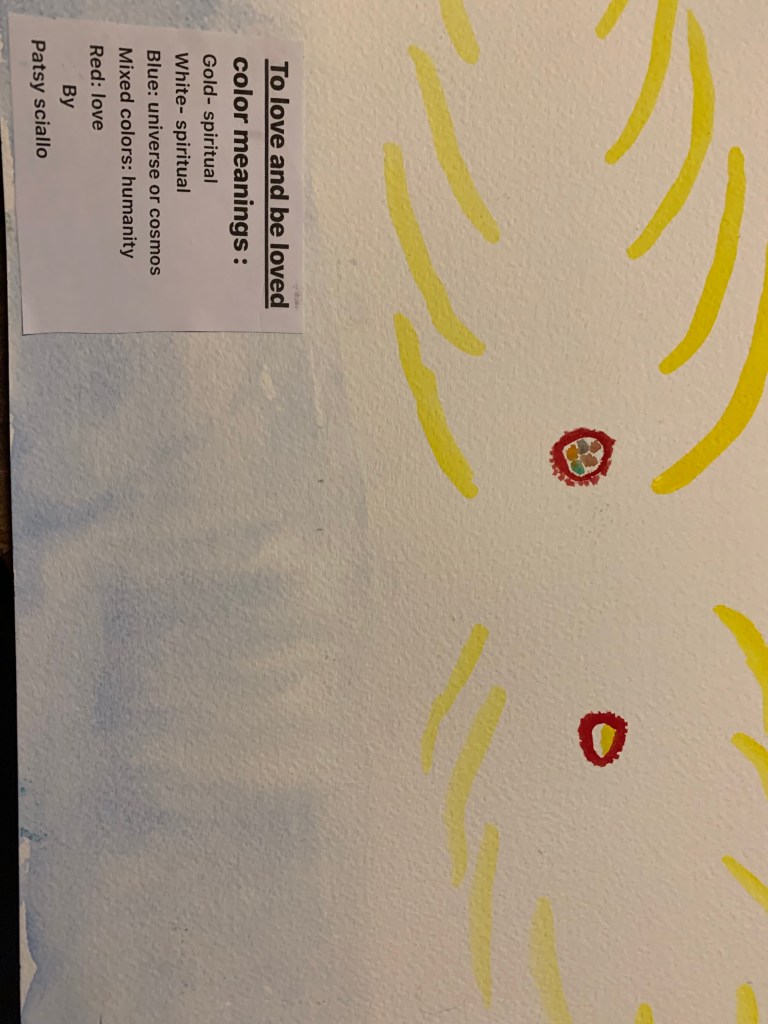
Gave a very good description to the statement,” to  love, and be loved”.

Gave some examples of the word  love.

Converted English to Danish and back to English again.

Create stories with very little information. With just a few words, you can ask the AI program to print out a prologue, story, and epilogue.

Engineering. It was able to list all of the engineering specialties existing in our education.

Asked what the government is doing to restrict abuses of artificial intelligence, I’ve got 22 pages reformation.

Asked for symbology for 9 birds, a butterfly, and 1 flower. Also I asked about the validity of the butterfly effect.As part of chaos theory. Thumbs down on the butterfly effect. A lot of chaos theory seems to be true.

Chatster gave the name of the state birds and flowers..

Asked for some known systems( google, Amazon, Merlin for example) that are AI.!

AI  listed the places in the old and New Testament mentioning the word love.

I did  ask questions about philosophy( I asked about 2  existential philosophers and the number of existential ones.), did not ask questions on  economics, anthropology, sociology, astronomy, cosmos, space travel, , and most of the humanities. Also art. Also  and the workings  of our government.

Note: if Chatster doesn’t know the answer to a question, it’ll say I have no model for that and then will  give you an answer related to that question, which is helpful..

Note: the AI app gave a definition of their app as a program rather than a large system which it is.

Note: using just a few searches, I used  the AI app and in stead of Google.I was happy with the results. It would have been a good idea to compare search results to both google and Chatster, however.I didn’t do it.

Note: I have printouts of many of the topics mentioned above. Some I can send as emails- sone are very long and I am not sure if there is a limit to attachment to an email.